
How to Store Cannabis Safely and Effectively: Best Practices for Preserving Freshness and Potency
Properly storing cannabis in 2026 is about more than just keeping it out of sight; it is a science of preservation. Many consumers invest in premium cannabis flower or high-end cannabis concentrates, only to have the quality vanish within weeks due to environmental exposure. Improper storage leads to the rapid degradation of delicate aromatic terpenes and active compounds, turning a top-shelf product into a harsh, ineffective one.
This guide provides the gold standard for how to store cannabis properly. By mastering the balance of temperature, light, and humidity, you can significantly extend the shelf life of your products, ensuring every session is as flavorful and potent as the first.
Key Takeaways
- The "Four Horsemen" of Degradation: Light, heat, air, and moisture are the primary enemies of cannabis freshness.
- Optimal Temperature: Aim for a stable environment between 60–70°F to prevent terpene evaporation and spoilage.
- The Glass Standard: Airtight glass jars remain the superior choice for long-term flower storage over plastic.
- Humidity Precision: Use 2-way humidity packs to maintain a relative humidity (RH) of 59–63%.
- Safety First: Always use child-resistant, locked storage to comply with California safety standards.
What Environmental Elements Cause Cannabis Degradation?
Cannabis is an organic product, making it highly susceptible to the world around it. UV light is perhaps the most aggressive factor; it acts as a catalyst for chemical breakdown, altering the delicate balance of the plant's natural properties. Over time, light exposure results in a loss of potency and a significant decline in the vibrant flavors that define high-quality strains.
Heat and air (oxygen) also play major roles. Excessive heat dries out the plant material, causing the resin glands-where the flavor and aroma are concentrated-to become brittle and fall off. Meanwhile, constant exposure to fresh oxygen accelerates oxidation, which sours the flavor and darkens the color of the buds.
Understanding these degradation factors is the first step toward learning how to store cannabis correctly, and a cool, dark, and dry "cannabis cellar" environment is ideal.
How Can You Optimize Temperature and Light When You Store Cannabis?
Maintaining a stable temperature is the foundation of effective cannabis storage. When temperatures rise above 77°F, you enter the danger zone where spoilage can occur, especially if moisture is present.
Conversely, you should avoid the refrigerator or freezer. Drastic temperature fluctuations can cause "sweating" inside the container, while freezing temperatures make the delicate plant structures so fragile they shatter at the slightest touch.
| Storage Element | Recommendation | Avoid |
|---|---|---|
| Temperature | 60–70°F (15–21°C) | Refrigerator, freezer, or near ovens |
| Light | Total darkness or opaque glass | Windowsills and bright sunlit areas |
| Airflow | Minimum headspace in jars | Constant opening/closing of containers |
| Container | Non-reactive glass or ceramic | Plastic sandwich bags or tin foil |
What Are the Best Cannabis Humidity Control Methods?
Humidity control is what separates casual users from connoisseurs when it comes to cannabis storage. If your cannabis is too dry, it burns too fast and loses its aromatic profile. If it is too wet, it becomes a breeding ground for harmful mold and mildew. In 2026, the industry standard for maintaining the "sweet spot" of 59–63% RH is the use of 2-way humidity control packs.
These packs utilize a specialized solution to either release or absorb moisture based on the internal environment of your jar. This "set it and forget it" technology ensures your cannabis flower stays fresh and pliable for months.
For those serious about their collection, using a digital hygrometer inside your storage container allows you to monitor these levels in real-time to ensure your environment remains stable.
Best Containers to Store Cannabis for Long-Term Freshness
While plastic "pop-top" bottles are common for transport, they are not suitable for long-term cannabis storage. Plastic often carries a static charge that can pull essential resins off the flower, and many plastics are "breathable," allowing oxygen to leak in over time.
Airtight glass containers (like Mason jars) are the recommended choice when you store cannabis at home. Glass is non-reactive, meaning it won't leach unwanted scents or chemicals into your flower or absorb the plant's essential oils.
For the ultimate protection, choose dark or opaque glass jars; these are specifically engineered to block harmful UV rays while protecting the integrity of the plant.
How to Store Cannabis Edibles, Concentrates, and Vapes Safely
Different formats require unique storage strategies to remain at their best:
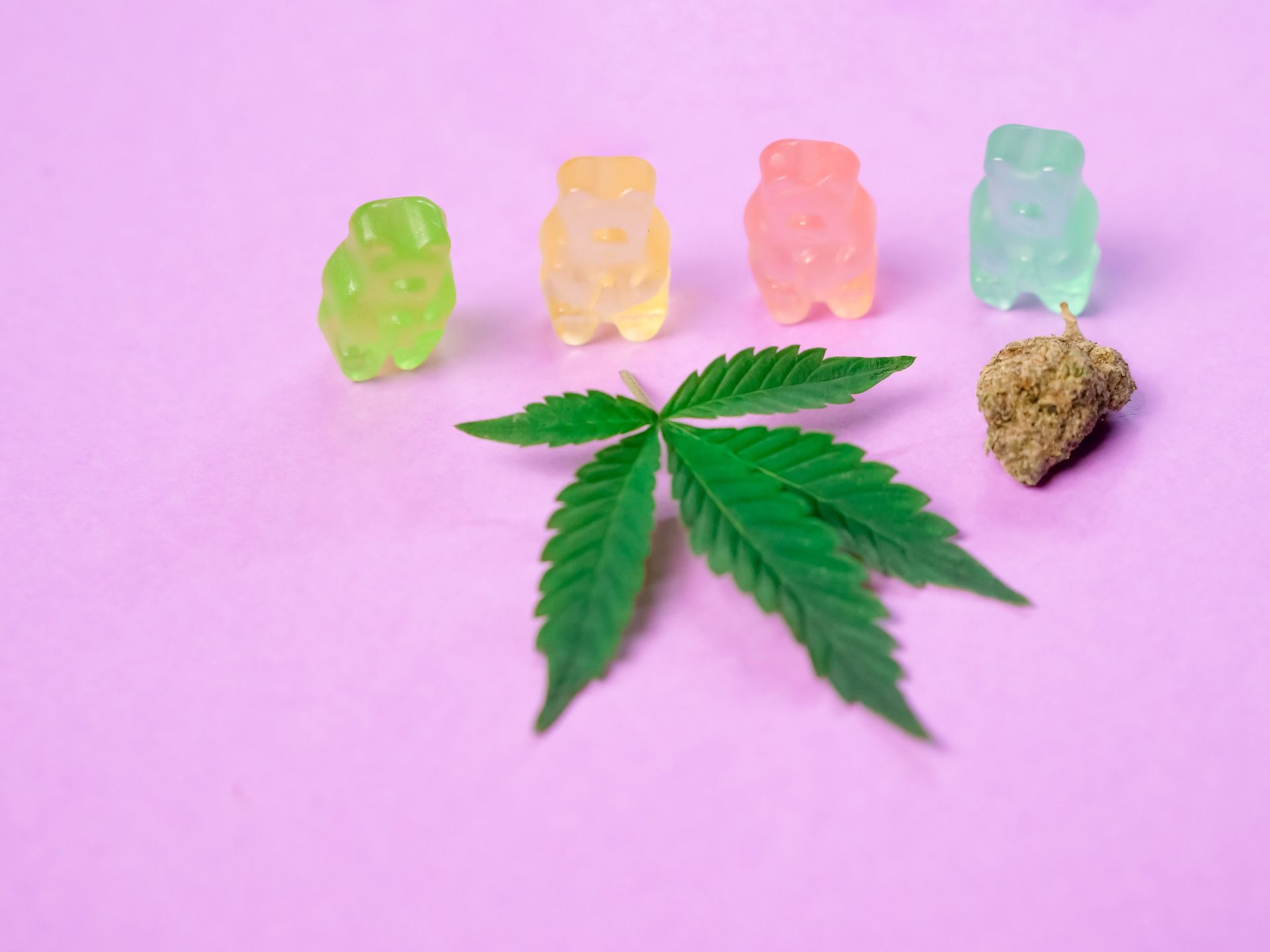
- Edibles: Most cannabis edibles should remain in their original, child-resistant packaging. Gummies can melt if left in a car, so keep them in a cool pantry. For long-term chocolate storage, a cool, dry place is better than a fridge to avoid "blooming" or texture changes.
- Concentrates: Live resin, budder, and shatter are highly sensitive to heat. For these, a dedicated cool storage area-or even a small temperature-controlled cooler set to roughly 50–55°F-can help maintain the consistency and prevent the oils from separating.
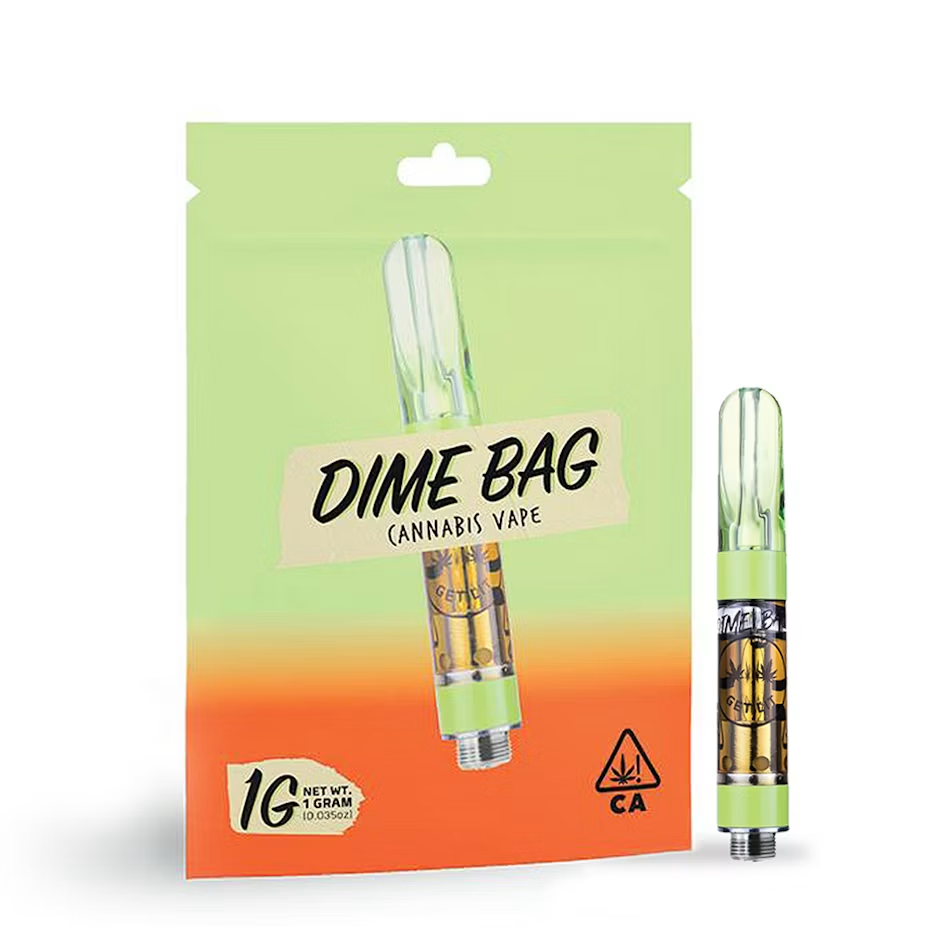
- Vapes: Store cannabis vape cartridges upright. This prevents the oil from leaking into the mouthpiece or clogging the intake holes. Keep them away from direct sunlight to prevent the oil from darkening and losing its refined flavor.
Safety and Legal Considerations for Cannabis Storage in California
In California, responsible cannabis storage is a legal and ethical necessity. State law requires that cannabis be kept in a secure location, inaccessible to minors. This is especially critical for edibles, which can often be mistaken for standard candy by children or pets. For more details on state requirements, visit the California Department of Cannabis Control.
Invest in a locking stash box or a dedicated "cannabis humidor" that features a physical or biometric lock. Not only does this keep your household safe, but it also protects your investment from being compromised.
At Mountain Remedy, we prioritize this safety by delivering all products in compliant, child-resistant packaging, and we encourage all our Bay Area customers to maintain that high standard of safety once the product arrives at their door.
Keep Your Cannabis Fresh With Mountain Remedy's Bay Area Delivery
Knowing how to store cannabis properly is just one part of a quality experience-it starts with sourcing premium products from a trusted delivery service. Mountain Remedy offers fast, reliable cannabis delivery across the Bay Area, with every order packaged in compliant, child-resistant containers ready for safe storage.
Whether you prefer flower, concentrates, edibles, or vapes, proper storage ensures every product you receive stays as fresh and flavorful as the day it arrived.
Frequently Asked Questions
Can I store my weed in the freezer to keep it fresh?
No. Freezing causes the moisture inside the plant to crystallize, which can damage the cellular structure and make the potent resin glands break off easily. A cool, dark cupboard is a much better place to store cannabis for longevity.
How long does cannabis stay fresh in a glass jar?
With a proper seal and a humidity pack, cannabis flower can stay fresh for 6 to 12 months. After that, it may begin to lose its primary flavor and aromatic profile, resulting in a less vibrant experience overall.
Do I need to store my vape cartridges in the fridge?
It isn't necessary for short-term use, but a cool, dark place is vital. Storing them upright is the most important factor to prevent leaking and clogging over time.
Why did my flower turn brown in storage?
Browning is usually a sign of oxidation (too much air) or light degradation. While it may still be usable, it will likely have a "hay-like" taste and diminished quality compared to properly stored cannabis.
Is it okay to store different strains in the same jar?
It is not recommended. Each strain has a unique aromatic profile; storing them together will cause the scents to blend, resulting in a "muddy" aroma and potentially altering the intended experience.