Exploring Sustainable and Eco-Friendly Cannabis Farming
Sustainable cannabis farming is no longer a niche pursuit; in 2026, it is a critical response to the environmental challenges of a global industry. This guide explores the transition from resource-heavy traditional methods to eco-friendly practices that protect both the planet and the consumer. As demand surges, the shift toward "green" cultivation ensures that the industry’s growth doesn't come at the cost of California's natural ecosystems.
Adopting sustainable practices allows farmers to mitigate soil depletion, water scarcity, and the carbon intensity of indoor grows. From regenerative agriculture to energy-efficient technologies, the future of cannabis is being shaped by growers who prioritize ecological health as much as cannabinoid potency.
Key Takeaways
- Environmental Impact: Indoor cannabis production can be up to 50 times more carbon-intensive than outdoor cultivation.
- Water Precision: Advanced drip irrigation and rainwater harvesting can reduce water waste by up to 60% compared to traditional surface watering.
- Energy Revolution: Modern LED systems in 2026 use 40-50% less electricity than legacy HID lighting while enhancing terpene profiles.
- Soil Restoration: Regenerative practices like cover cropping and no-till farming actively sequester carbon and rebuild microbial diversity.
- Conscious Sourcing: Partnering with services like Mountain Remedy ensures your cannabis is sourced from local, eco-certified farmers.
Why Is Sustainable Cannabis Cultivation Important for the Environment?
Sustainable cultivation is the only path toward long-term viability in a climate-conscious market. Traditional "black market" or early legal-era farming often relied on heavy chemical inputs and inefficient energy use. In 2026, the ecological footprint of these methods has become a primary concern for regulators and consumers alike.
Mitigating the Environmental Impact
The environmental toll of traditional cannabis farming is significant. High-intensity indoor facilities are among the most energy-dense agricultural operations in the world, often requiring massive amounts of electricity for climate control and lighting. Furthermore, the misuse of synthetic fertilizers can lead to nitrogen runoff, which creates "dead zones" in local waterways.
Sustainable farming addresses these issues by utilizing closed-loop systems and natural sunlight, significantly reducing the industry’s contribution to greenhouse gas emissions.
What Are the Key Eco-Friendly Marijuana Growing Methods?
Today's growers utilize a variety of techniques to maximize yield while minimizing environmental harm. These methods often lean on natural biological processes rather than industrial chemical solutions.
| Method | 2026 Technology Focus | Environmental Benefit |
|---|---|---|
| Organic Farming | Living Soil & Compost Teas | Eliminates toxic runoff; protects pollinators |
| Hydroponics | Closed-Loop Water Recovery | Uses 90% less water than traditional soil |
| Permaculture | Companion Planting | Natural pest control and increased biodiversity |
| Greenhouse | Smart-Glass & Solar Integration | Combines sun-power with indoor precision |
By integrating these methods, farmers are producing "cleaner" cannabis. Consumers are increasingly seeking out cannabis flower grown under these standards, recognizing that eco-friendly practices often result in a more complex and flavorful terpene profile.
How Does Water Conservation and Energy Efficiency Improve Cultivation?
In California’s drought-prone climate,
water conservation is a necessity. Modern sustainable farms utilize moisture sensors and automated drip systems that deliver water directly to the root zone, virtually eliminating evaporation. This precision not only saves millions of gallons annually but also prevents common issues like root rot and powdery mildew.
The LED and Renewable Energy Shift
Energy efficiency has seen a similar revolution. The 2026 market has largely phased out High-Pressure Sodium (HPS) lights in favor of high-efficiency LEDs. These fixtures allow growers to "tune" the light spectrum to specific growth phases, increasing
cannabis concentrate yields while slashing power bills. Many leading farms have also transitioned to on-site solar arrays, allowing them to operate "off-grid" during peak summer months and further lowering the carbon footprint of every gram produced.
How Does Organic Weed Farming Benefit Health-Conscious Consumers?
For the health-conscious consumer, organic cannabis is the gold standard. By avoiding synthetic pesticides and heavy-metal-laden fertilizers, organic farmers ensure that the final product is pure. This is particularly important for those using cannabis for medical reasons, as it eliminates the risk of inhaling or ingesting residual chemical toxins.
Beyond safety, organic nutrients like worm castings and bat guano promote a "living soil" environment. This biological richness allows the plant to express its full genetic potential, often leading to higher concentrations of minor cannabinoids and aromatic terpenes. When you buy cannabis flower that is certified organic, you are supporting a system that values the integrity of the plant and the health of the end-user.
What Is Regenerative Cannabis Agriculture and Its Role in Soil Health?
Regenerative agriculture represents the "next level" of sustainability. While traditional organic farming seeks to do less harm, regenerative farming seeks to actively heal the land. This approach treats the farm as a holistic ecosystem, focusing on building deep, carbon-rich topsoil that acts as a natural carbon sink.
- No-Till Farming: By not disturbing the soil, growers preserve the delicate mycelial networks that help plants absorb nutrients.
- Cover Cropping: Planting nitrogen-fixing crops between harvests prevents erosion and naturally replenishes soil fertility.
These practices lead to more resilient plants that require fewer external inputs. In 2026, regenerative cannabis is highly prized, as it effectively turns the cannabis industry into a tool for climate restoration.
Which Environmentally Friendly Cannabis Brands Lead in Sustainable Sourcing?

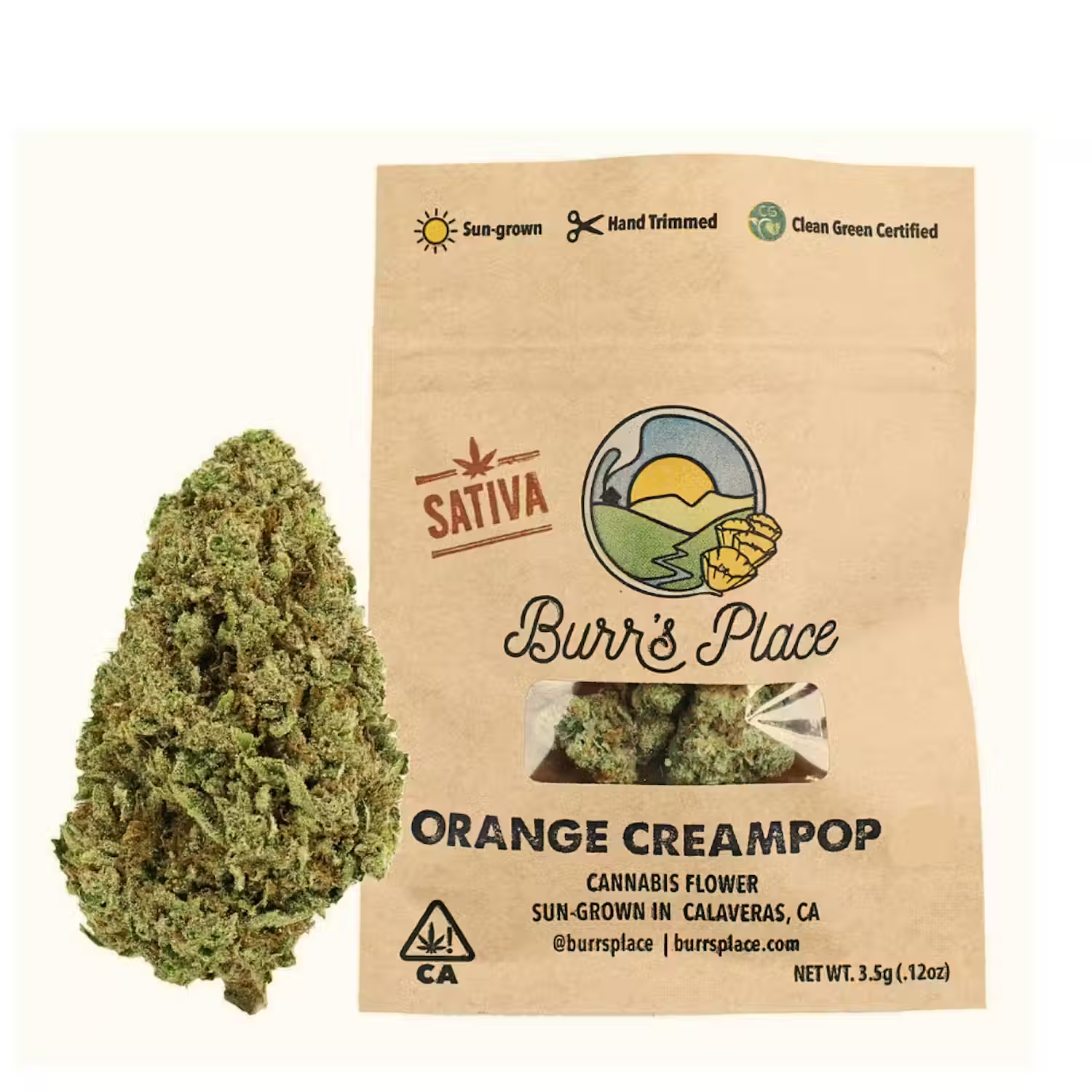
Identifying truly eco-friendly products can be challenging, but certain certifications have become the industry standard. Look for the "Sun+Earth Certified" or "Clean Green Certified" labels, which indicate that the product was grown using regenerative, organic, and fair-labor practices.
Mountain Remedy’s Commitment to the Planet
As a leading delivery service, Mountain Remedy plays a vital role in the sustainable supply chain. We prioritize partnerships with local, sun-grown cultivators in Northern California who share our vision for a greener future. By choosing our service, you are directly supporting small-batch farmers who use rainwater catchment systems and organic soil, ensuring that your cannabis vapes and pre-rolls are as environmentally responsible as they are potent.
The future of California cannabis is bright, fueled by a community that understands the deep connection between a healthy planet and a high-quality harvest. By voting with your wallet and choosing sustainable brands, you help ensure that the "Golden State" remains a leader in eco-conscious cultivation for generations to come.
Frequently Asked Questions
Is sun-grown cannabis as potent as indoor-grown?
Yes. While indoor cannabis often has high visual appeal, sun-grown cannabis frequently boasts more complex terpene profiles and a wider array of minor cannabinoids due to the full spectrum of natural sunlight.
What does "Clean Green Certified" mean?
Since cannabis cannot be "USDA Organic" due to federal status, the Clean Green program was created to mirror those standards, ensuring products are grown without synthetic chemicals and with sustainable labor practices.
How does regenerative farming help with climate change?
Regenerative farming uses "no-till" methods and cover crops to pull carbon dioxide out of the atmosphere and store it in the soil, making the farm a net-negative carbon operation.
Are organic cannabis products more expensive?
Initially, they can be, but as sustainable technology matures in 2026, the gap is closing. Many consumers find the increased flavor and safety profile well worth the small price difference.
Why should I care about water conservation in cannabis?
Large-scale cannabis farming can be incredibly water-intensive. Sustainable practices ensure that local communities and wildlife have access to clean water, especially during California’s frequent dry seasons.