
Weed Delivery vs. Dispensary Shopping in the Bay Area: Which Is the Better Choice for You?

Delivery and in-store shopping are the two main ways people in the Bay Area legally buy cannabis. Each has clear trade-offs in convenience, selection, price, and privacy.
This guide walks through how delivery works, what to expect inside a dispensary, and which option fits common needs, whether you’re buying flower, cartridges, or edibles.
We’ll compare ordering online and receiving a delivery with walking into a storefront and talking to a budtender, note California Department of Cannabis Control (DCC) rules and local differences across San Francisco, Oakland, and San Jose, and offer practical checklists for inspection, refunds, and deciding which channel to choose.
Key Takeaways
- Weed delivery offers unmatched convenience and privacy for Bay Area shoppers who prefer online browsing and doorstep service.
- Dispensary visits provide hands-on inspection, instant purchase, and expert budtender guidance for personalized recommendations.
- Delivery suits buyers seeking discretion or time savings; in-store shopping is better for those who value quality checks and conversation.
- Always verify licenses and lab results under California DCC rules to ensure product safety and compliance.
- Compare all-in costs - taxes, delivery fees, and discounts - to decide which channel fits your needs and budget.
What Are the Key Benefits and Drawbacks of Weed Delivery in the Bay Area?
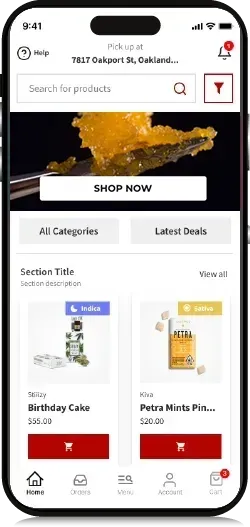
In the Bay Area, licensed cannabis delivery services take orders by phone or online and bring sealed, regulated products to your door within defined service areas and time windows.
A verified order is routed to a licensed dispensary or courier, who confirms ID at handoff and follows local packaging and routing requirements. Delivery’s main advantages are convenience and discretion - no parking, no lines, and discreet packaging that reduces public exposure.
Downsides include service-area limits, delivery fees and minimums, and the inability to physically inspect products before purchase. Those constraints affect whether delivery is the right choice for you.
How Do Convenience and Privacy Make Weed Delivery Attractive?
Delivery pairs online browsing with doorstep handoffs: you can compare menus and product pages from home and get same-day or scheduled service. That’s especially useful for people with limited mobility, tight schedules, or a strong preference for privacy.
Discreet packaging and private delivery reduce public visibility, which matters in dense neighborhoods or for shoppers avoiding stigma. When using delivery, confirm the provider’s ID-check process, ask about tamper-evident packaging, and pick delivery windows that limit wait time, simple steps that protect quality while keeping things convenient.
What Are the Common Challenges and Limitations of Cannabis Delivery?
Delivery’s drawbacks tend to cluster around logistics, quality checks, and local rules. Some neighborhoods fall outside coverage zones or carry higher fees for longer distances, which can turn what looks like a convenient option into a costly one.
Quality assurance is harder: buyers usually rely on photos, lab certificates, and reviews instead of touching or smelling products, and resolving disputes over freshness or defects can take longer.
To reduce risk, ask for clear photos or lab-result snapshots before delivery, review return and refund policies, and combine items to meet minimums while lowering per-item delivery costs.
For privacy-focused or time-pressed shoppers, delivery often makes sense. But because delivery limits hands-on inspection, it’s not always the best choice.
What Should You Expect from the Bay Area Dispensary Shopping Experience?
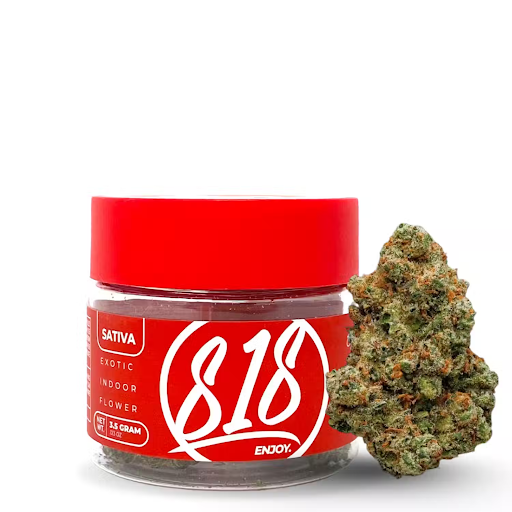
A dispensary visit gives you in-person access to a licensed retail experience: you can inspect packaging, ask a budtender questions, and leave with your purchase right away.
Stores operate under DCC rules and local municipal regulations that affect hours, displays, and permitted promotions, so experiences can vary across San Francisco, Oakland, and San Jose.
Shopping in-store trades some convenience for sensory inspection and expert guidance - many buyers value smelling flower, checking lab labels, and getting immediate dosing advice.
How Do Budtenders Enhance the In-Store Cannabis Buying Process?
Budtenders serve as in-store guides who translate labels, lab reports, and vendor notes into practical recommendations - helping with dosing, strain choice, and vape-device compatibility.
They can point out visible quality cues (trichome density on flower, correct humidity packs, intact tamper seals) and explain terpene and cannabinoid effects in clear language. Ask to see lab-test summaries, storage tips, and expected onset times for different products.
Those conversations reduce uncertainty and make dispensary visits especially useful for newcomers or anyone who wants hands-on inspection.
What Are the Typical Drawbacks of Visiting a Dispensary in the Bay Area?
Visiting a store can mean travel time, parking challenges, and possible crowds or out‑of‑stock items during peak hours - factors that reduce the convenience that delivery offers.
Some shops limit payment methods or have long lines at peak times, and local rules can restrict store density or hours in certain neighborhoods.
To avoid common frustrations, call ahead to confirm stock, visit during off‑peak hours, and bring backup payment options. That way you get the benefits of inspection and advice without unnecessary hassles.
How Do Weed Delivery and Dispensary Shopping Compare on Key Factors in the Bay Area?
Below we compare delivery and in-store shopping across the most relevant decision points for Bay Area consumers - convenience, privacy, selection, price, and legal/regulatory differences - so you can pick the channel that fits your needs.
The table offers a quick side-by-side view, followed by short analyses and practical examples for common scenarios.
| Channel | Feature | How it Works for Bay Area Consumers |
|---|---|---|
| Delivery | Convenience & Accessibility | Order online; courier verifies ID at handoff. Best for homebound or time-pressed customers within service zones. |
| Dispensary | Convenience & Accessibility | Walk-in or appointment; take product home immediately. Best when travel is short and inspection matters. |
| Delivery | Privacy & Discretion | Discreet packaging and private handoffs reduce public visibility. |
| Dispensary | Privacy & Discretion | Storefront visits are visible; choose off-peak times to stay lower-profile. |
| Delivery | Selection & Availability | Online menus update quickly and may aggregate multiple vendors. |
| Dispensary | Selection & Availability | Shelf space is limited but allows tactile inspection and immediate purchase. |
In short: delivery often wins on time and discretion; dispensaries win on inspection and expert advice.
Which Option Offers Better Convenience and Accessibility?
Delivery is the clearest convenience win when you need time savings, same‑day delivery service, or can’t travel easily - ordering and payment happen remotely and the product arrives at your door.
Dispensaries suit shoppers who live nearby, need immediate possession, or want quick exchanges or replacements. For example, a commuter with a narrow evening window may prefer scheduled delivery; someone running a short errand who wants to try a new strain will likely choose an in‑store visit.
Consider travel time, parking, and order urgency to decide which channel fits each shopping trip.
How Do Privacy and Discretion Differ Between Delivery and Dispensaries?
Delivery is typically more private: licensed providers use discreet packaging and doorstep handoffs, and you can add delivery notes for extra discretion.
Store visits are more visible - entering a dispensary can draw attention in some neighborhoods - though off‑peak visits and secondary entrances reduce exposure.
If privacy is your top priority, pick a delivery provider with verified ID checks and tamper‑evident packaging.
What Are the Differences in Product Selection and Availability?
Online menus often list a wider range of strains, cartridges, and edibles because delivery platforms can aggregate inventory and update stock quickly.
Retail stores are limited by shelf space, though some carry limited‑run or exclusive items only available in person. If you need a specific cultivar or limited release, call the dispensary before you go; if broad variety and fast comparison matter, delivery menus make discovery faster.
How Do Pricing, Fees, and Deals Compare Between Delivery and Dispensaries?
Compare “all‑in” cost: base price plus state and local taxes, platform service fees, and delivery charges. Delivery often adds per‑order fees that can cancel out online discounts, while dispensaries may run in‑store loyalty promotions or bundles.
Sometimes a slightly higher in‑store price is cheaper after delivery fees are added, and sometimes flash delivery promos make online orders a better deal.
Always calculate the final total, watch for platform fees, and ask about loyalty programs or weekday deals to close the price gap.
What Legal Regulations Affect Cannabis Delivery and Dispensary Shopping in the Bay Area?
Both channels must follow California Department of Cannabis Control rules - licensed operators, ID checks, and mandatory packaging and testing standards - but city ordinances can add restrictions on delivery zones, hours, and storefront locations.
Delivery drivers must follow routing and packaging rules and verify ID at handoff; storefronts must comply with display and point‑of‑sale rules enforced locally. Always verify a provider’s license and request lab‑test documentation when available to confirm safety standards.
How Are Specific Cannabis Products Handled Differently in Delivery vs Dispensary Shopping?

Flower, vape cartridges, and edibles each have handling, inspection, and storage needs that influence whether delivery or an in‑store visit makes more sense.
Delivery depends on packaging integrity and accurate online descriptions; in‑store shopping lets you check tamper seals, lab labels, and sensory cues.
The table below maps product types to inspection and storage notes and explains delivery vs. in‑store considerations so you can reduce risk and protect quality.
| Product Type | Inspection / Storage / Regulatory Notes | Delivery vs In-Store Considerations |
|---|---|---|
| Flower (bud) | Inspect trichomes, correct humidity packs, clear strain and lab labeling. | In-store lets you smell and visually inspect; delivery buyers should request recent photos and sealed packaging on receipt. |
| Vape Carts (cartridges) | Check tamper seals, cartridge threading and battery fit, and lab-tested cannabinoid profiles. | In-store you can check packaging and fit; delivery requires intact seals and verified brand labeling. |
| Edibles | Confirm dosing per serving, tamper-evident seals, allergen labels, and expiry/lot information. | In-store inspection prevents damaged boxes; delivery needs sealed, clearly labeled packages with visible expiration/lot info. |
The sections below give short, actionable checklists for each product and explain QA options for both channels.
What Should You Know About Flower, Vape Carts, and Edibles for Each Buying Method?
For flower, look for visible trichomes, proper moisture (avoid overly dry buds), and sealed humidity packs - ask to smell and feel samples in-store, or request up-to-date photos and lab results for deliveries.
For vape carts, verify tamper seals, check cartridge/battery compatibility, inspect for leaks, and confirm lab-tested concentrate data; in-store you can test battery fit, while delivery requires intact seals and clear labeling.
For edibles, make sure dosing per serving is clear, allergen information and tamper seals are present, and expiration or lot numbers are visible.
How Does Product Inspection and Quality Assurance Vary Between Delivery and In-Store?
In-store shopping creates an immediate QA loop: you can examine packaging, review lab labels, and ask budtenders for storage tips at point of sale.
Delivery moves QA upstream - rely on accurate menus, batch-level lab certificates on product pages, seller reviews, and photos provided before or at delivery. If an item arrives damaged or misrepresented, document it with photos and contact customer service.
To improve delivery QA, request lab-result snapshots before accepting an order, inspect packaging right away, and keep records for disputes; in-store, verify lab labels and ask for storage guidance to preserve freshness.
How Can Bay Area Consumers Decide Between Weed Delivery and Dispensary Shopping?
Use a short decision checklist that weighs urgency, privacy, product type, budget, and location to match your needs to the right channel. Below are practical rules and vetting tips - apply them to make a quick, defensible choice for your next purchase.
- If you need discretion or can’t travel easily, choose delivery for private doorstep service.
- If immediate inspection or budtender guidance matters, choose an in‑store dispensary visit.
- If price is the main concern, compare all‑in costs (product + taxes + delivery fees) against in‑store promotions.
- If you want a limited‑release item or to sample before buying, call a nearby dispensary to confirm stock before you go.
That checklist clarifies trade‑offs and gives actionable next steps. Below we map common shopper personas to the recommended channel.
Which Option Best Fits Different User Preferences and Needs?
Privacy‑focused or mobility‑limited shoppers usually prefer delivery for discretion and convenience.
New buyers and anyone who wants detailed dosing guidance benefit from dispensary visits and budtender interaction.
Bargain hunters should compare all‑in costs and sign up for loyalty or weekday promotions.
If you need something immediately, choose the quickest option based on proximity and service windows.
For every persona: verify lab tests, check return policies, and ask for discreet packaging or clear dosing instructions as needed.
Conclusion
Choosing between weed delivery and dispensary shopping in the Bay Area comes down to your priorities: convenience and discretion versus hands‑on inspection and expert guidance.
Both channels have advantages and trade‑offs - knowing the rules, verifying lab tests, and checking all‑in costs will help you pick the right option for each purchase.
Frequently Asked Questions
1. What factors should I consider when choosing between weed delivery and dispensary shopping?
Think about convenience, privacy, product selection, cost, location, and urgency. Delivery is usually best for discretion and time savings. Dispensary visits are better when you want to inspect products or get advice from a budtender. Match your priorities to the channel that best addresses them.
2. Are there age restrictions for purchasing cannabis through delivery services?
Yes. You must be at least 21 to buy cannabis in California. Delivery drivers are required to verify age and identity at the time of handoff, usually by checking a government‑issued ID.
3. How can I ensure the quality of cannabis products when ordering for delivery?
Request clear photos and batch‑level lab results before you accept a delivery. Choose services with detailed product descriptions and good reviews. Inspect packaging immediately on arrival for tamper evidence and confirm the product matches your order.
4. What should I do if I receive a damaged or incorrect product from a delivery service?
Document the issue with photos, then contact the delivery service’s customer support right away to report the problem and request a refund or replacement. Keep records of the order and any communication - reputable providers will have clear return or refund policies.
5. Can I return cannabis products purchased from a dispensary?
Return policies vary by store. Many dispensaries do not accept returns on opened products for health and safety reasons, but defective or incorrect items are often eligible for exchange or store credit. Always check the store’s policy and keep your receipt.
6. How do local regulations impact cannabis delivery services in the Bay Area?
Local rules can affect delivery zones, operating hours, and licensing requirements. Some cities limit where deliveries can be made or add extra permits and fees. Verify a provider’s licensing and be aware of any service‑area or time restrictions that might affect your order.
7. What are the environmental impacts of cannabis delivery compared to dispensary visits?
Delivery can lower per‑customer emissions when orders are batched and delivered efficiently, but frequent single deliveries and extra packaging increase environmental costs. Visiting a nearby dispensary by walking or public transit is often greener than driving. Consider transportation mode and provider practices when choosing.